


Winter Heating Safety Precautions for Homeowners: Essential Tips to Prevent Fires and Carbon Monoxide Risks
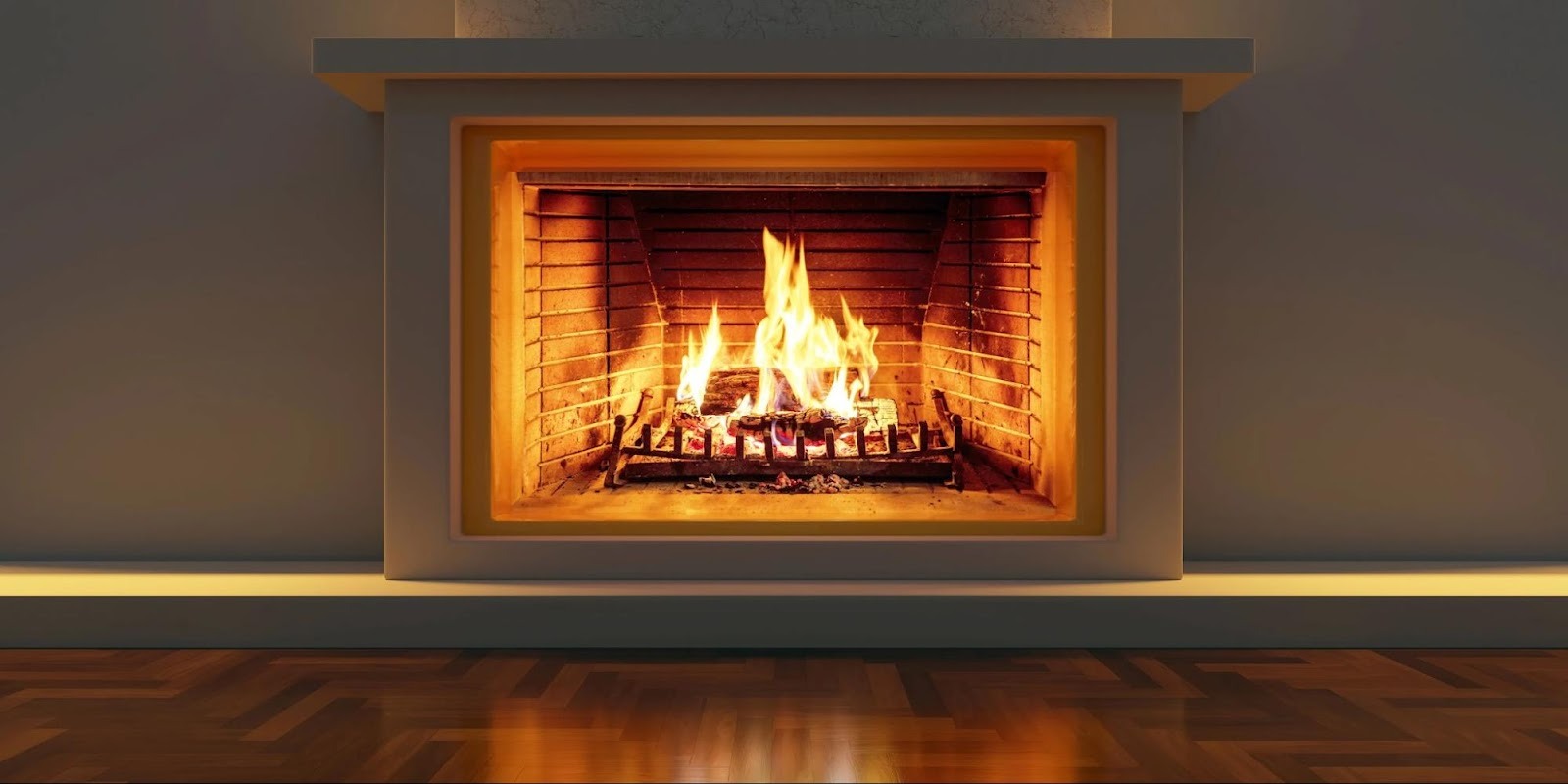
Winter heating safety demands understanding fire, carbon monoxide (CO), and electrical hazards from furnaces, space heaters, fireplaces, and portable devices. This guide details how common heating systems pose risks, the importance of routine inspection and detector placement, and practical steps homeowners in Poway and the broader San Diego area can take to reduce danger. It covers top winter heating hazards, a furnace maintenance checklist, safe space heater practices (including the 3-foot rule), detector placement and testing, fireplace and chimney care, and emergency preparedness. Following these precautions protects family health and property, while improving energy efficiency and system reliability.
What Are the Most Common Winter Heating Hazards Homeowners Should Know?
Winter heating hazards primarily include house fires, carbon monoxide poisoning, and electrical overloads, each stemming from distinct equipment failures, ventilation issues, or user practices. Fires often start from portable heaters too close to combustibles or clogged vents; CO poisoning from incomplete combustion or blocked flues; and electrical hazards from overloaded circuits. Recognizing these helps homeowners prioritize inspections, detector placement, and safe operation.
Heating equipment hazards fall into three main types with specific causes and prevention points:
- Fire from ignition sources: Combustible materials near space heaters, faulty wiring, or creosote in chimneys can ignite.
- Carbon monoxide exposure: Incomplete combustion, blocked vents, or cracked heat exchangers allow CO into living spaces.
- Electrical overloads: Extension-cord use for heaters and shared circuits can overheat wiring and trip breakers.
These categories highlight the necessity of both physical clearance and mechanical inspection.
How Do Heating Equipment Fires Occur and How Can They Be Prevented?
Heating equipment fires occur when a heat source contacts flammable material or internal failures create sparks. Common scenarios include space heaters near curtains, lint-clogged dryer vents, or creosote buildup in chimneys. Prevention involves enforcing clearances, keeping vents and flues clean, and using only manufacturer-approved fuels and parts. Regular filter replacement and surface inspections reduce dust and lint, while barriers or hearth screens limit stray embers. These precautions interrupt the fire chain (heat source, fuel, oxygen).
What Are the Risks of Carbon Monoxide Poisoning from Home Heating Systems?
Carbon monoxide (CO) is a colorless, odorless combustion byproduct that displaces oxygen in the bloodstream and can be fatal. Gas furnaces, water heaters, and wood-burning fireplaces produce CO from incomplete combustion or blocked exhaust paths. Symptoms include headache, dizziness, nausea, and flu-like feelings that worsen with indoor exposure. For suspected CO exposure, ventilate, evacuate, and seek emergency services; do not re-enter until a professional confirms safety. Prevention requires annual combustion appliance inspections, clear venting routes, and properly placed CO detectors.
How Can Annual Furnace Maintenance Improve Winter Heating Safety?
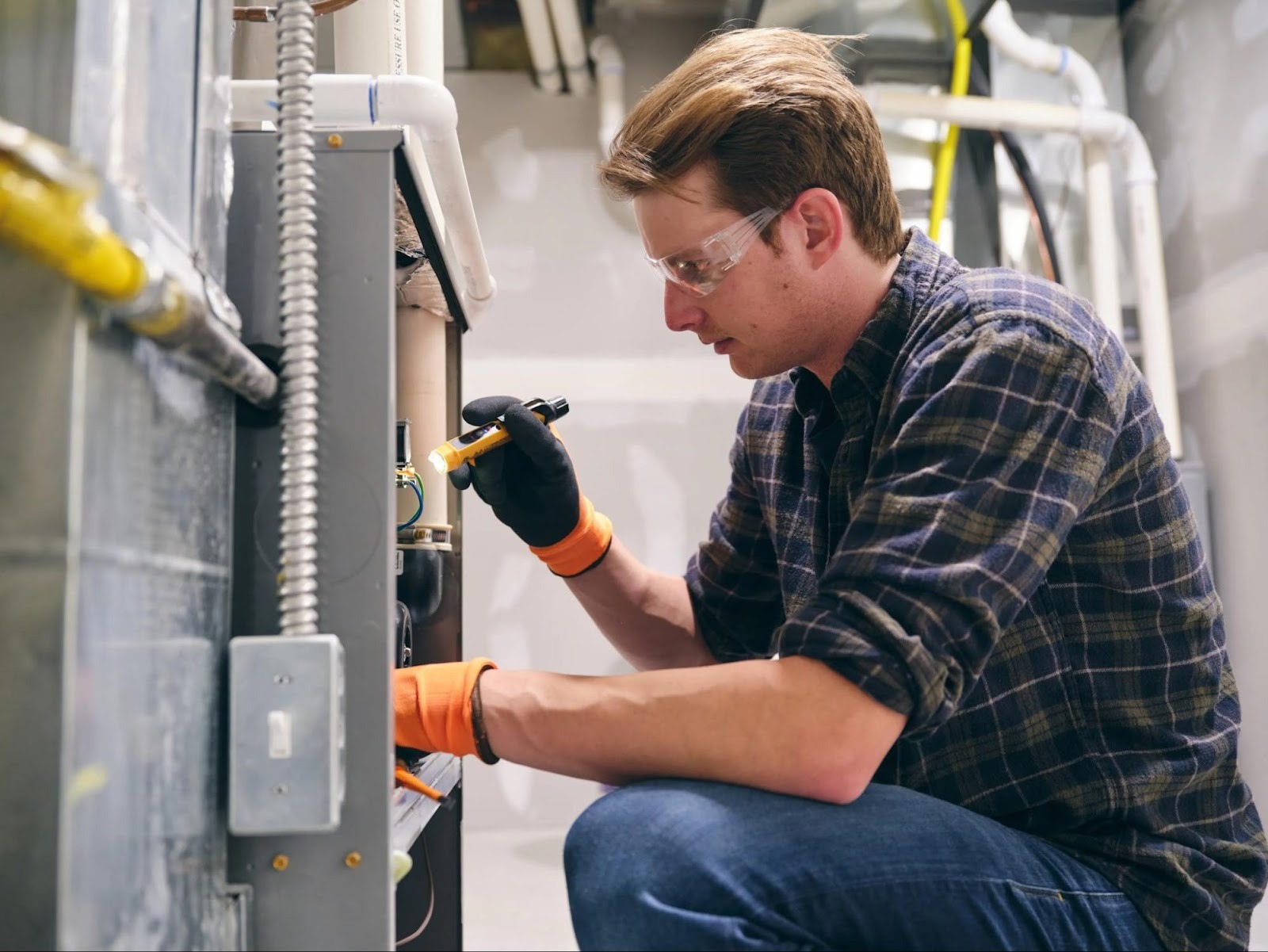
Annual furnace maintenance reduces fire and carbon monoxide risk by ensuring efficient combustion, clear exhaust paths, and correct safety control function. A single annual inspection significantly cuts the chance of unnoticed leaks or malfunctions. Maintenance improves combustion efficiency via filter changes, burner cleaning, and safety control calibration, while flue and vent inspection prevents CO-causing blockages. Proper tuning also preserves energy efficiency and extends equipment life. Here's a checklist for key tasks during a winter tune-up, followed by a table comparing inspection tasks, frequency, and benefits.
Homeowners should expect these top maintenance steps during an annual furnace inspection:
- Replace or clean the air filter: Improves airflow and prevents overheating.
- Inspect flue and venting: Ensures combustion gases vent safely outdoors.
- Test safety controls and limit switches: Confirms automatic shutoffs function.
- Perform combustion analysis: Verifies efficient burning and checks CO levels.
- Inspect heat exchanger and electrical connections: Detects cracks or loose wiring that cause leaks or fires.
These items form a prioritized safety routine that technicians use to stop small faults from becoming hazards; the table below summarizes tasks, timing, and benefits.
Regular maintenance combines these elements into a safety program, reducing fire and CO risk while improving system performance. The next subsection explains professional capabilities.
What Are the Key Steps in a Furnace Maintenance Checklist for Winter?
A clear, stepwise furnace checklist helps homeowners verify that the most critical safety elements are addressed during a tune-up and can be used to guide conversations with technicians. Start by replacing or cleaning filters to maintain airflow, then inspect vents and flues for blockages or corrosion that could redirect exhaust back into living areas. Next, have the technician perform combustion testing to measure CO and combustion efficiency, followed by a visual inspection of the heat exchanger and burner assembly for cracks or soot accumulation. Finally, verify electrical connections, thermostat calibration, and that all safety switches and limit controls operate correctly; these steps together reduce the likelihood of both fire and hazardous CO exposure.
How Does Professional Heating Repair Reduce Fire and Carbon Monoxide Risks?
Professional heating repair adds diagnostic depth and code-level knowledge that DIY routines lack, which is why certified technicians are essential for identifying hidden hazards like a hairline heat-exchanger crack or intermittent ignition failure. Advanced diagnostic tools—such as combustion analyzers and flue gas testers—measure CO and combustion efficiency precisely, enabling corrective repairs that restore safe operation. Trained technicians also adhere to local codes for venting and combustion air, reducing the chance of venting-related CO incidents. For homeowners seeking reliable professional service, One Choice Mechanical (operating as Hans Energy Systems) provides heating repair and a structured Maintenance Plan with NATE-certified technicians serving Poway and the San Diego area; scheduling a professional inspection before heavy winter use is recommended to ensure safe operation.
What Are the Best Practices for Safe Space Heater Use in Winter?
Space heater safety relies on correct selection, placement, and operation to prevent ignition and electrical overload. Choose heaters with automatic shutoff and tip-over protection, avoiding older models. Place them on a stable, non-flammable surface at least three feet from combustibles to prevent textile ignition. Use dedicated circuits and direct wall plugs to avoid overloaded extension cords. The next subsections explain the 3-foot rule and practical placement/operation steps.
Many families use supplemental space heaters to lower heating bills by heating only occupied rooms. While potential savings are significant, homeowners must carefully consider safety risks, energy savings potential, and necessary lifestyle changes.
Below is a concise how-to list explaining the 3-foot rule and why it matters for fire prevention:
- Measure a 3-foot radius around the heater: Keep clothing, curtains, and furniture outside this zone.
- Avoid placing heaters near doorways or high-traffic areas: Prevents accidental contact or tipping.
- Keep combustibles like paper, blankets, and clothing well away: Reduces fuel sources for ignition.
Maintaining the 3-foot rule eliminates a common factor in heating fires; the next subsection covers placement, cord safety, and supervision.
How Can Homeowners Properly Place and Operate Portable Heaters Safely?
Proper placement and operation start with choosing a model that includes tip-over shutoff and a thermostat, then locating it on a level, non-flammable surface away from foot traffic and children or pets. Avoid using extension cords or power strips with high-draw heaters; instead plug heaters directly into a wall outlet on a dedicated circuit to limit overheating and prevent tripped breakers. Supervise heater use—never leave a running portable heater unattended or while sleeping—and store heaters safely when not in use to prevent accidental activation or damage. Following these steps minimizes both fire and electrical risks and ensures portable heating provides warmth without introducing new hazards.
How Do Smoke and Carbon Monoxide Detectors Protect Your Home During Winter?
Smoke and CO detectors provide early warning of combustion products and toxic gases, protecting occupants from harm. Proper placement and routine testing ensure their functionality. Smoke alarms detect particles from fires, while CO detectors sense the odorless gas from incomplete combustion; both reduce fatalities when correctly installed and maintained. Optimal strategies include placing smoke alarms on ceilings or high on walls on every level and outside sleeping areas, and CO detectors outside sleeping areas on every floor, using hardwired or battery-backed devices. The table below compares detector types, locations, and testing cadence.
This comparison clarifies placement and maintenance priorities; the next subsections outline specific installation locations and testing schedules.
Where Should Carbon Monoxide Detectors Be Installed for Maximum Safety?
Carbon monoxide detectors should be installed outside each sleeping area and on every habitable floor to ensure alarm coverage where people sleep and spend time, because CO can spread unpredictably through shared air spaces. Avoid placing CO detectors directly above fuel-burning appliances or in enclosed spaces where airflow is restricted, as this can cause false readings or delayed alarm. For homes with attached garages, install a CO detector near the door to the living space; in multi-level homes, ensure detectors are placed on each level including basements. Choose hardwired or plug-in models with battery backup where feasible to maintain continuous protection even during power outages and follow manufacturer guidance on placement height.
How Often Should Smoke and CO Alarms Be Tested and Maintained?
Regular testing keeps alarms reliable: test smoke and CO detectors monthly using the device test button, replace batteries at least annually (or when devices signal low battery), and replace the entire detector per manufacturer timelines—typically every 10 years for smoke alarms and every 5 to 7 years for CO detectors. Clean devices gently to remove dust that can cause nuisance alarms or sensor degradation, and avoid painting over alarms which interferes with sensing elements. After any significant HVAC work or chimney cleaning, test CO detectors to verify that combustion appliances are venting correctly and that no CO levels persist. Consistent testing and timely replacement ensure that alarms remain a dependable last line of defense against both fire and carbon monoxide.
For homeowners who prefer professional installation or want integrated alarm testing with HVAC safety checks, One Choice Mechanical (operating as Hans Energy Systems) offers detector installation and inspection services through its Maintenance Plan and heating repair teams in the Poway and San Diego region; scheduling a combined detector and furnace inspection helps verify placement and functionality alongside combustion testing.
What Are Essential Fireplace and Chimney Safety Tips for Winter Heating?
Fireplace and chimney safety depends on preventing creosote buildup, ensuring clear flues, and maintaining proper hearth protection to stop sparks or embers from igniting nearby materials. Regular sweeping, using dry seasoned wood, and installing spark arrestors or fireplace screens reduces ember escape. Keeping combustibles away from hearth surfaces mitigates direct-heat ignition. Professional inspection identifies masonry cracks, flue liner deterioration, or blocked chimneys that increase fire and CO risk. The next subsections detail cleaning schedules and fire prevention measures.
Here is a short list of practical fireplace prevention measures homeowners should use consistently:
- Use a sturdy screen or glass doors: Prevents embers from reaching floor coverings.
- Keep a three-foot clearance around the hearth: Store kindling and combustible materials elsewhere.
- Dispose of ashes safely: Place cooled ashes in a metal container away from structures.
These measures reduce ember-escape and material-ignition risks; the next subsection covers inspection frequency and signs requiring professional service.
How Often Should Homeowners Clean and Inspect Fireplaces and Chimneys?
Homeowners should schedule at least an annual chimney and fireplace inspection prior to the heating season to check for creosote accumulation, animal nests, masonry cracks, and draft issues that can cause smoke or CO backflow. Heavy wood users or those burning unseasoned wood may need more frequent cleanings—two or more times per season—to keep creosote levels low and minimize flue ignition risk. Look for signs like persistent smoke in the room, strong soot odors, or visible buildup on flue tiles as cues to call a professional sweep. Annual inspection also helps identify structural or liner problems that homeowners cannot detect themselves, enabling timely repairs before dangerous failures occur.
What Fire Prevention Measures Should Be Taken Around Fireplaces?
Practical fire prevention includes installing a non-combustible hearth pad, keeping flammable items such as rugs and furniture at safe distances, and using screens to stop sparks and embers from exiting the firebox. Never leave fires unattended and ensure embers are fully extinguished before leaving the home or going to sleep; use metal containers for cooled ash disposal and store them well away from structures. Teach family members safe fuel selection—only dry, seasoned wood—and maintain tools like pokers and tongs to manage the fire without placing hands near flames. These routine actions reduce the chances that a single ember or improperly stored fuel will escalate into a structure fire.
How Can Homeowners Prepare for Winter Heating Emergencies and Electrical Hazards?
Preparing for heating emergencies involves assembling a winter kit, understanding immediate safety steps during CO alarms or heat loss, and preventing electrical overloads. A readiness plan includes battery-powered alarms, alternative safe heating sources, warm clothing, blankets, and an evacuation communication plan. Preventing electrical malfunctions requires avoiding extension cords for heaters, recognizing overloaded circuit signs, and arranging for dedicated circuits or professional wiring upgrades. The next subsections list kit contents and explain overload prevention.
Essential items for a winter heating emergency kit are listed below with guidance on prioritization and safe temporary heating options:
- Battery-powered smoke and CO alarms: Backup detection during outages.
- Flashlights and extra batteries: Reliable light without open flames.
- Warm blankets and emergency sleeping bags: Retain warmth if heating is lost.
- Portable power bank and charging cables: Maintain communication for emergency services.
- Safe alternative heating: Fuel-fired options only if properly vented and with CO monitoring.
These items reduce immediate risk and support safe decision-making; the next subsection outlines electrical overload signs and preventive wiring practices.
What Should Be Included in a Winter Heating Emergency Preparedness Kit?
A practical preparedness kit combines detection, warmth, lighting, and basic tools: battery-powered smoke/CO alarms, flashlights with extra batteries, warm blankets, a battery-powered or hand-crank radio, and a charged power bank for phones. If planning to use portable heaters during outages, include CO detectors and ensure any fuel-based backup heating has proper ventilation and is used only per manufacturer guidance. Store items in an accessible, labeled container and rehearse a short emergency plan with household members so everyone knows evacuation routes and meeting points. Prioritizing detection and safe heating options prevents the most common winter emergency mistakes and supports a calm, effective response.