


Emergency HVAC Checklist — Fast, Safe Steps to Take When Your System Fails
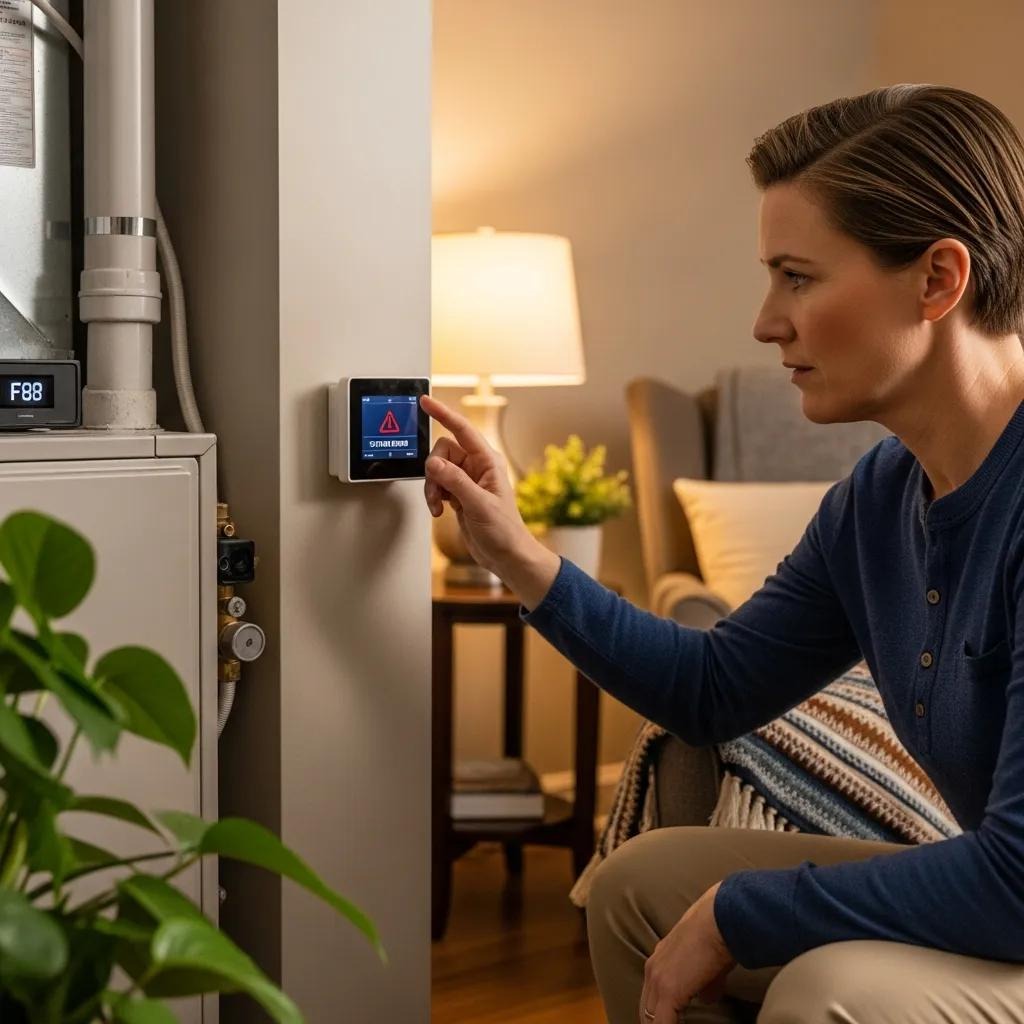
When your heating or cooling quits, comfort can disappear fast—especially during extreme heat or cold. This checklist walks Louisville homeowners through clear, safe steps to protect your household until help arrives. You’ll learn quick troubleshooting, how to spot airflow problems, when to call a pro, and why routine maintenance prevents most emergencies. We’ll also show how One Choice Mechanical responds quickly with dependable service.
To keep repairs and upkeep affordable, One Choice Mechanical posts its current HVAC specials and promotions. Check them often for ways to save on the services you need.
What immediate steps should you take when your HVAC system fails?
First, breathe and do a quick, safe check. Many issues have simple fixes you can try before a technician arrives. Start with these priority checks:
- Check the thermostat: Make sure it’s set to the correct mode (heat or cool) and the target temperature is right. A wrong setting or a paused schedule is a common, easy-to-fix cause.
- Inspect the circuit breaker: Open your electrical panel and look for tripped breakers. Flipping a tripped breaker back on often restores power to the HVAC system.
- Confirm the power supply: Ensure the unit has power—look for blown fuses, turned-off switches, or a tripped disconnect near the outdoor unit. Power interruptions are a frequent cause of failure.
After these basic checks, take a moment to note any sounds, smells, or recent events that might be relevant: unusual noises, a burning smell, recent storms, or power surges. These observations help technicians diagnose problems faster and may indicate safety risks that require immediate action.
If you find anything that smells strongly of gas, or if you suspect an electrical hazard (sparks, exposed wiring, strong burning odors), evacuate the home and call emergency services immediately—do not attempt repairs yourself.
How do you check and adjust your thermostat settings?
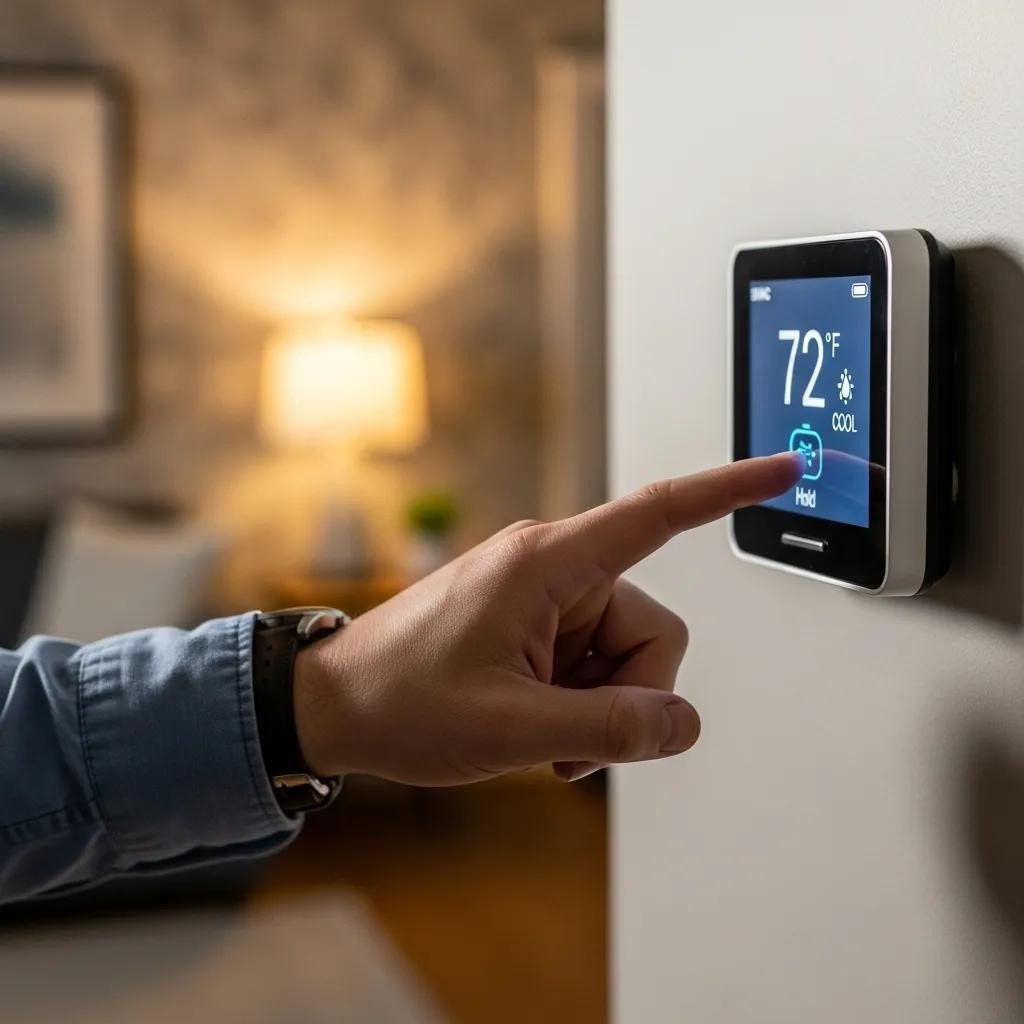
Start by confirming the set temperature and mode (heat / cool / fan). If the thermostat uses batteries, swap them out. If it won’t respond, try a factory reset—many digital thermostats clear glitches that way. If it still misbehaves, note what’s happening and contact a technician.
Additional thermostat tips:
- Check for a locked keypad or a schedule that has the setpoint lowered or raised automatically. Many programmable thermostats will follow a schedule that overrides manual changes until you cancel it.
- For smart thermostats, verify Wi‑Fi connectivity and check the app for error messages. If the app shows "offline" or "sensor error," a reboot or reconnection may restore control temporarily.
- If you have separate zones, make sure each zone controller is powered and set correctly. A problem in one zone can look like a whole-system failure when only a portion of the home is affected.
Document the thermostat model and any error codes before the technician arrives—a brief photo can save time and help the tech bring the right tools or parts.
How can you inspect and reset your circuit breaker safely?
Find your electrical panel and look for breakers that sit between on and off or are clearly off. To reset one, switch it fully off, then back to on. If it trips again immediately, stop and call a licensed electrician or HVAC pro—repeated trips can signal a serious electrical issue.
Safe breaker-handling checklist:
- Stand on a dry surface and avoid wet hands when touching the panel.
- Use a flashlight if the area is dim—do not use a flame or any device that could spark.
- Label the breakers if they are not already marked so you can quickly identify the HVAC circuit in the future.
- If the breaker feels hot or emits a burning smell, do not touch it—shut off main power and call an electrician.
Resetting a breaker can restore power, but a tripping breaker often means an underlying issue: overloaded circuit, short, or failing component. If the breaker trips again after resetting, avoid repeated attempts and seek professional help to prevent electrical damage or fire risk.
How do you identify and resolve common airflow problems?
Poor airflow makes your home uncomfortable and stresses the system. Catching airflow issues early prevents bigger damage. Check these common trouble spots:
- Check air filters: Dirty or clogged filters restrict airflow. Replace disposable filters or clean reusable ones—usually every 1–3 months depending on use.
- Inspect vents for blockages: Make sure supply and return vents are open and not blocked by furniture, rugs, or curtains. Blocked vents force the system to work harder.
More steps to diagnose airflow problems:
- Confirm the blower fan is running when the system is on. If the fan doesn’t run, the motor, capacitor, or control board may be at fault.
- Check return grilles and air intakes—if returns are closed or covered, the system cannot pull enough air through the house.
- Look for disconnected, crushed, or leaking ductwork in accessible areas (attic, basement, crawlspace). Large leaks can slurp conditioned air into unused spaces instead of living areas.
Small fixes—like replacing a filter, opening a vent, or straightening a kinked flex duct—often restore normal airflow. Larger duct repairs or motor replacements require a technician.
Why is checking and replacing air filters crucial during an HVAC crisis?
Dirty filters reduce airflow and efficiency, often causing overheating or short-cycling. Replacing filters regularly (every 1–3 months) helps your system run properly and lowers the chance of a breakdown in extreme weather.
When replacing filters during a crisis:
- Match the correct filter size and minimum recommended MERV rating for your system. Using a filter that's too restrictive for your blower can worsen airflow problems.
- Note whether the filter is pleated or fiberglass—some reusable filters need cleaning rather than replacing.
- Record the date of replacement to maintain a schedule; in heavy-use seasons or homes with pets, check filters monthly.
If your system continues to overheat or short-cycle after installing a fresh filter, stop using the equipment and call a professional—internal damage may already be present.
How to ensure vents are clear and unobstructed?
Walk through your home and confirm vents are open and free from dust, toys, or furniture. Vacuum vent grilles if dusty and move anything that blocks airflow. Good circulation keeps temperatures steady and eases strain on your equipment.
Additional vent-care tips:
- Consider using return-air boosters in rooms far from the main system if airflow feels weak in isolated areas.
- Balance vents gradually—small adjustments to supply registers can even out temperatures without changing thermostat settings.
- Inspect ceiling returns and high-mounted grilles where dust can accumulate; schedule professional duct cleaning only if heavy dust or mold is suspected.
If odors persist when the system runs, have a technician inspect for mould, dead pests in ductwork, or failed components producing unusual smells.
What should you do if your outdoor HVAC unit is malfunctioning?
If the outdoor unit is acting up, take quick steps to prevent more damage. Try these safe checks first:
- Clear debris: Remove leaves, grass clippings, and branches from around the unit so air can flow freely.
- Check for visible damage: Look for bent fins, oil or refrigerant stains, or loose panels. Any obvious damage or the smell of refrigerant means call a pro right away.
When inspecting the outdoor unit, do not open access panels or attempt repairs if you are not qualified. The condenser contains high-voltage components and refrigerant; improper handling risks injury and further damage.
If the compressor is hot to the touch, the unit cycles rapidly, or you hear loud clanking or grinding, shut the system off and schedule service. Continuing to run a failing outdoor unit can cause permanent compressor failure, which is costly to replace.
How to clear debris and maintain proper clearance around the outdoor condenser?
Keep at least two feet of clear space around the condenser and trim plants back regularly. Gently remove leaves and dirt from the top and sides—never stick objects into the unit. Proper clearance helps performance and lowers the risk of overheating.
Seasonal maintenance reminders:
- In the fall, clear accumulated leaves and schedule a fall inspection to prepare heating systems.
- In the spring, clean the area and check coolant lines and insulation before heavy cooling demand begins.
- After storms, inspect for damage or debris that may have lodged against the unit and could block airflow or damage fins.
Routine outdoor care prevents common issues and keeps technicians focused on mechanical problems rather than simple debris removal when they arrive.
When is it time to contact professionals for outdoor unit repairs?
If you hear unusual noises, feel weak airflow, lose heating or cooling, or see refrigerant or electrical issues, call a professional. These signs usually require trained technicians and specialized tools.
Specific red flags that need immediate professional attention:
- Strong chemical or refrigerant odors near the unit.
- Oil stains or wet spots under the outdoor unit indicating a leak.
- Visible electrical sparking, burning smells, or smoke.
- Sudden, severe changes in system pressures or temperatures.
When you call for service, provide the technician with the system's make, model, age, and any recent work or parts replaced. If you have maintenance records, sharing them speeds diagnosis and avoids duplicate work.
How can proactive maintenance prevent future HVAC emergencies?
Regular maintenance finds small problems before they become emergencies. Scheduled tune-ups keep systems efficient and reliable. Here’s what consistent care delivers:
- Improved efficiency: Clean, adjusted equipment uses less energy and costs less to run.
- Extended lifespan: Routine care reduces wear and extends your system’s life.
- Enhanced comfort: Well-maintained systems give steadier temperatures and better air quality.
What to expect from a thorough maintenance visit:
- Inspection of electrical connections, controls, and safety switches.
- Cleaning of coils, burners, and heat exchangers as needed.
- Lubrication of moving parts, checking refrigerant levels, and testing system performance under load.
- Advice on any repairs or parts likely to fail soon so you can plan and budget rather than panic when they occur.
Documenting these service visits creates a maintenance history that improves resale value and can support warranty claims if a major failure occurs later.
What are the benefits of regular professional HVAC tune-ups?
A professional tune-up includes inspection, cleaning, and adjustments that restore performance and catch hidden issues. Regular service reduces emergency calls, lowers energy bills, and helps you avoid costly mid-season replacements.
Additional homeowner benefits:
- Priority scheduling during peak seasons for plan members, reducing wait times during heat waves or cold snaps.
- Discounts on parts and repairs for customers enrolled in maintenance programs.
- Peace of mind knowing systems are checked by technicians trained to spot patterns that predict failure.
When selecting a service provider, ask about the specific checklist they use during tune-ups and whether they provide a written report of findings and recommendations.
How to build and use an HVAC emergency kit for crisis preparedness?
A basic HVAC emergency kit helps you manage minor issues while waiting for a technician. Include these essentials:
- Flashlight: For safe inspections during power outages.
- Basic tools: Screwdrivers, pliers, and a wrench for simple, safe adjustments.
- Duct tape: Handy for temporary sealing of small duct gaps until a pro repairs them.
Expand your kit with these useful items:
- Extra thermostat batteries and a small pad or notepad to record temperatures and error codes.
- A portable space heater or fan (rated for indoor use) for temporary comfort during short outages—only use space heaters with proper precautions and never leave them unattended.
- Replacement disposable filters sized for your return grille, so you can change a clogged filter quickly if needed.
- Basic PPE: work gloves and safety glasses for safe, brief inspections around equipment.
Store your kit in a labeled box near the thermostat or utility area so family members can find it quickly. Regularly check and refresh batteries, filters, and supplies so the kit is ready when you need it.
Why choose One Choice Mechanical for your emergency HVAC needs in Louisville, KY?
One Choice Mechanical is a local team serving Louisville with honest work and fast response. We’re available 24/7 for real emergencies and back our work with skilled technicians who put your comfort and safety first.
Local firms often understand regional weather patterns and common system issues in the area—this local knowledge can speed diagnosis and reduce repeat visits. One Choice Mechanical emphasizes clear communication, transparent pricing, and safety-first repairs so you know what to expect during an emergency call.
What makes our 24/7 emergency HVAC service reliable and trusted?
Our around-the-clock service pairs quick response with experienced, NATE-certified technicians. That means fast troubleshooting, safe repairs, and solutions that get your home comfortable again—without unnecessary upsells.
Reliability factors to consider when choosing emergency service:
- Response time guarantees or typical arrival windows during business hours and after-hours.
- Technician qualifications and certifications, along with ongoing training programs.
- Warranty coverage on parts and labor for emergency repairs performed after normal hours.
Asking these questions before you need emergency service helps you choose a provider that will act quickly and responsibly when systems fail.
How do flexible financing options help during unexpected HVAC repairs?
Unexpected repairs shouldn’t force you to choose between comfort and affordability. We offer flexible financing so you can get repairs now and pay over time with plans that fit your budget.
What to know about financing:
- Ask about interest rates, terms, and any deferred payment promotions so you can compare the true cost of financing vs. paying upfront.
- Find out whether financing covers emergency services and replacement parts or only larger planned repairs or equipment replacements.
- Check eligibility requirements and the typical approval timeline—some plans can be approved quickly so service isn’t delayed.
Financing can smooth the impact of a large unexpected expense, but always review terms carefully and keep copies of agreements for your records.
How do you schedule emergency service or preventative maintenance with One Choice Mechanical?
Scheduling is easy—our team is ready whether you need immediate service or routine maintenance. Reach out and we’ll get you on the schedule quickly.
When you call or submit a request online, have this information ready to speed scheduling:
- Service address and best contact number.
- Brief description of the problem, sounds, or error codes and when the issue began.
- System make, model, and age if known (a photo of the unit or nameplate is helpful).
- Preferred times for access and whether pets or access restrictions apply.
Providing this information up front helps dispatchers assign the right technician and ensure they bring the appropriate tools and replacement parts when possible.
What are the easy steps to contact our expert team for immediate assistance?
To contact our expert team, call our office or use the online form. Our staff will explain your options and arrange the fastest, safest service available.
If you have an urgent safety concern, such as a gas smell or electrical sparking, make that clear at the start of the call so dispatchers prioritize an emergency response and advise you on safe temporary measures.
How to enroll in maintenance plans to avoid future HVAC crises?
Joining our maintenance plans gives you scheduled inspections, priority service, and discounts that lower the chance of unexpected breakdowns. Contact us to find a plan that fits your home and budget.
Maintenance plan considerations:
- Confirm the number of annual visits, which tasks each visit includes, and whether those visits include seasonal adjustments (spring for cooling, fall for heating).
- Ask about priority scheduling during peak seasons and discounts for plan members on repairs and parts.
- Check if plans cover multiple systems (furnace and AC) under one agreement for convenience and cost savings.
Choosing a plan that matches your system type and household needs can prevent most emergency calls and provide predictable maintenance expenses over time.
How to troubleshoot furnace breakdown and emergency heating repair?
If your furnace won’t start, first check the thermostat and confirm it’s set to heat. If your model has a pilot light or ignition, glance there for obvious issues. If basic checks don’t fix it, call for emergency heating repair—especially in cold weather.
Furnace troubleshooting checklist:
- Check the thermostat batteries and settings, and make sure the blower door is closed—many furnaces have safety switches that prevent operation if the access panel is open.
- Confirm the gas supply is on for gas furnaces and that other gas appliances are working. If you smell gas, evacuate and call emergency services.
- Listen for the ignition sequence. A repeated clicking sound without ignition may indicate an ignition control or safety switch issue.
- Check the condensate line and drain on high-efficiency furnaces—if these clog, the system may lock out to prevent water damage.
If you suspect a cracked heat exchanger, persistent carbon monoxide concerns, or a strong burning smell, shut down the furnace and call for professional service immediately—these are serious safety issues.
Conclusion
A simple emergency HVAC checklist gives you the confidence to act quickly and safely when systems fail. By learning essential troubleshooting steps and committing to regular maintenance, you reduce stress and keep your home comfortable. For dependable repairs and 24/7 emergency service in Louisville, trust One Choice Mechanical to protect your heating and cooling. Contact us today and let our expert team support your home’s comfort needs.